Introduction
Rolled steel construction is a remarkable course of that consists of reworking raw materials into the remaining product we use in our common lives. It is a journey that calls for cautious planning, accurate execution, and developed machinery. In this article, we can explore the a considerable number of stages involved within the creation of rolled metal, from the extraction of raw material to the producing of the last product.
The Extraction of Raw Materials
Obtaining Iron Ore: The Foundation of Rolled Metal Production
Iron ore is the common raw material used in rolled steel creation. It is extracted from mines through a method called mining. This technique consists of drilling, blasting, and extracting iron ore from underground or open-pit mines. The extracted iron ore is then transported to processing flowers for extra refinement.
Processing Iron Ore: From Ore to Concentrate
Once iron ore is extracted from mines, it undergoes processing to eliminate impurities and radically change it into a concentrate. This strategy broadly speaking contains crushing the ore into smaller items and then keeping apart the iron content material using alternative options along with magnetic separation and flotation.
Coke Production: Fueling the Furnaces
Coke is a primary aspect within the manufacturing of rolled metallic. It is produced with the aid of heating coal at top temperatures in coke ovens, which eliminates impurities and leaves in the back of carbon-rich coke. The coke produced serves as gasoline for the furnaces utilized in steel manufacturing.
The Steelmaking Process
Blast Furnace: Melting Iron Ore and Coke
The blast furnace is the place the magic happens in rolled steel manufacturing. It is a towering shape made of metal and coated with refractory resources to withstand intense temperatures. Inside the blast furnace, iron ore and coke are https://tonmetholding.com.ua/uk/produkciya-2/c/shpunt-larsena/ loaded from the peak, and warm air is blown in from the base.
The excessive heat generated contained in the blast furnace factors chemical reactions that lead to melting iron ore and coke. The molten iron collects at the base of the furnace, at the same time as impurities, which is called slag, go with the flow on major and are periodically got rid of.
Basic Oxygen Furnace: Refining the Molten Iron
After being extracted from the blast furnace, the molten iron undergoes in addition refinement in a straight forward oxygen furnace (BOF). This technique includes blowing oxygen into the molten iron to eradicate impurities equivalent to carbon, silicon, and sulfur. The result is effective metallic competent for shaping and rolling.
Continuous Casting: Shaping Molten Steel
Continuous casting is a activity where molten metallic is poured right into a water-cooled mildew to form long metal strands. These strands are then cooled and solidify into semi-entire products referred to as billets or slabs. Continuous casting allows for for efficient construction and ensures uniformity inside the structure and satisfactory of the rolled steel.
Rolling Process: Transforming Steel into Rolled Metal
Hot Rolling: Shaping Steel at High Temperatures
Hot rolling is a principal step in rolled metal construction that contains shaping metal at excessive temperatures. The semi-carried out items from steady casting are reheated and passed by multiple units of rolls to in the reduction of their thickness and structure them based on categorical necessities.
Hot rolling no longer in basic terms reduces the thickness of the metal however additionally improves its mechanical homes by using aligning its grain architecture. This job may well be finished the use of different varieties of rolling mills, akin to plate turbines, strip turbines, and part generators.
Cold Rolling: Enhancing Strength and Surface Finish
After hot rolling, a few rolled steel merchandise endure a further procedure also known as chilly rolling. Cold rolling entails passing warm-rolled metal as a result of rollers at room temperature to additional cut down its thickness and develop its floor conclude.
Cold-rolled steel famous more suitable force, dimensional accuracy, and floor exceptional as compared to hot-rolled metal. It reveals functions in quite a number industries reminiscent of automobile production, building, and appliances.
Quality Control and Inspection
Non-Destructive Testing: Ensuring Product Integrity
Non-unfavorable trying out (NDT) performs a relevant position in making certain the best and integrity of rolled steel merchandise. NDT innovations similar to ultrasonic testing, magnetic particle inspection, and eddy present day trying out are hired to realize floor and subsurface defects inside the rolled metallic.
Dimensional Inspection: Meeting Specifications
Dimensional inspection is accomplished to confirm that the rolled metal items meet the required dimensions and tolerances. Various size techniques, comparable to calipers, micrometers, and laser scanning, are used to ensure the dimensional accuracy of the closing product.
Frequently Asked Questions (FAQs)
Q: What raw materials are used in rolled metal manufacturing? A: The general raw supplies used in rolled steel creation are iron ore and coke.
Q: What is the objective of hot rolling inside the manufacturing job? A: Hot rolling is major for shaping metal at excessive temperatures, slicing thickness, and aligning grain format for advanced mechanical properties.
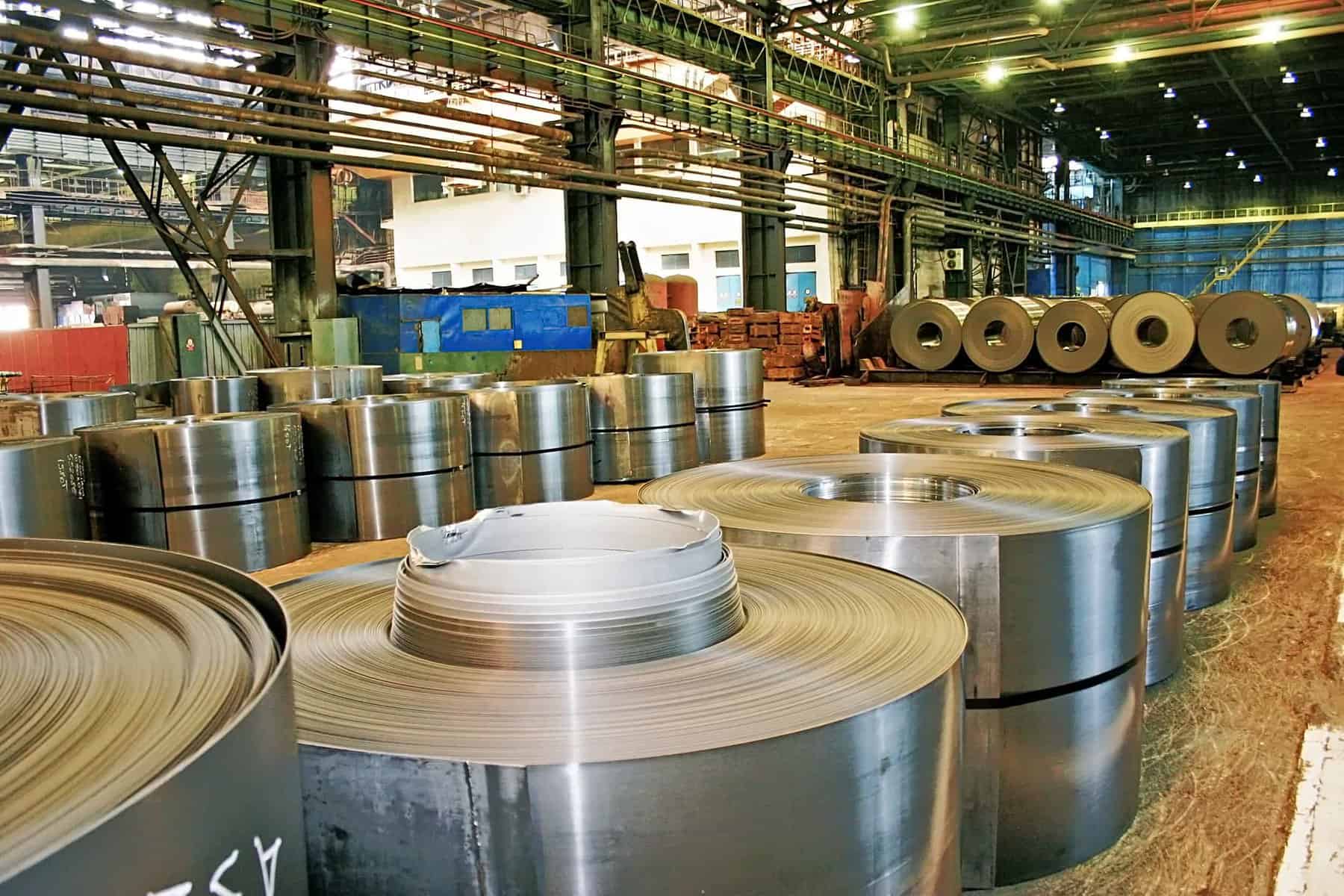
Q: How does bloodless rolling fluctuate from hot rolling? A: Cold rolling is conducted at room temperature to further lessen thickness and escalate surface end, resulting in better power and dimensional accuracy.
Q: What role does non-detrimental trying out play in rolled steel production? A: Non-detrimental checking out guarantees the great and integrity of rolled metal merchandise via detecting floor and subsurface defects the usage of numerous techniques.
Q: How is dimensional inspection applied in rolled steel construction? A: Dimensional inspection includes measuring the required dimensions and tolerances of rolled steel merchandise utilising resources like calipers, micrometers, or laser scanning.
Q: Which industries make the most of bloodless-rolled steel? A: Cold-rolled metal unearths functions in industries similar to car production, development, and home equipment resulting from its superior energy and floor first-rate.
Conclusion
The experience from raw fabric to last product in rolled steel manufacturing is a advanced and elaborate technique. It involves the extraction of iron ore, processing it into focus, producing coke as gas, after which remodeling the raw fabrics into metal due to blast furnaces and uncomplicated oxygen furnaces. The metallic is shaped using hot rolling and in addition greater via cold rolling. Quality handle measures such as non-negative checking out and dimensional inspection ensure that the rolled metal items meet the necessary criteria.
From skyscrapers to vehicles, rolled metallic performs a a must have position in our progressive international. Understanding the adventure it takes from uncooked textile to very last product provides us a deeper appreciation for the craftsmanship and information interested in its creation. So subsequent time you come across a rolled metallic product, take note the fascinating ride it has taken to succeed in your hands.
